International Pantry Staples for Pregnancy Nutrition
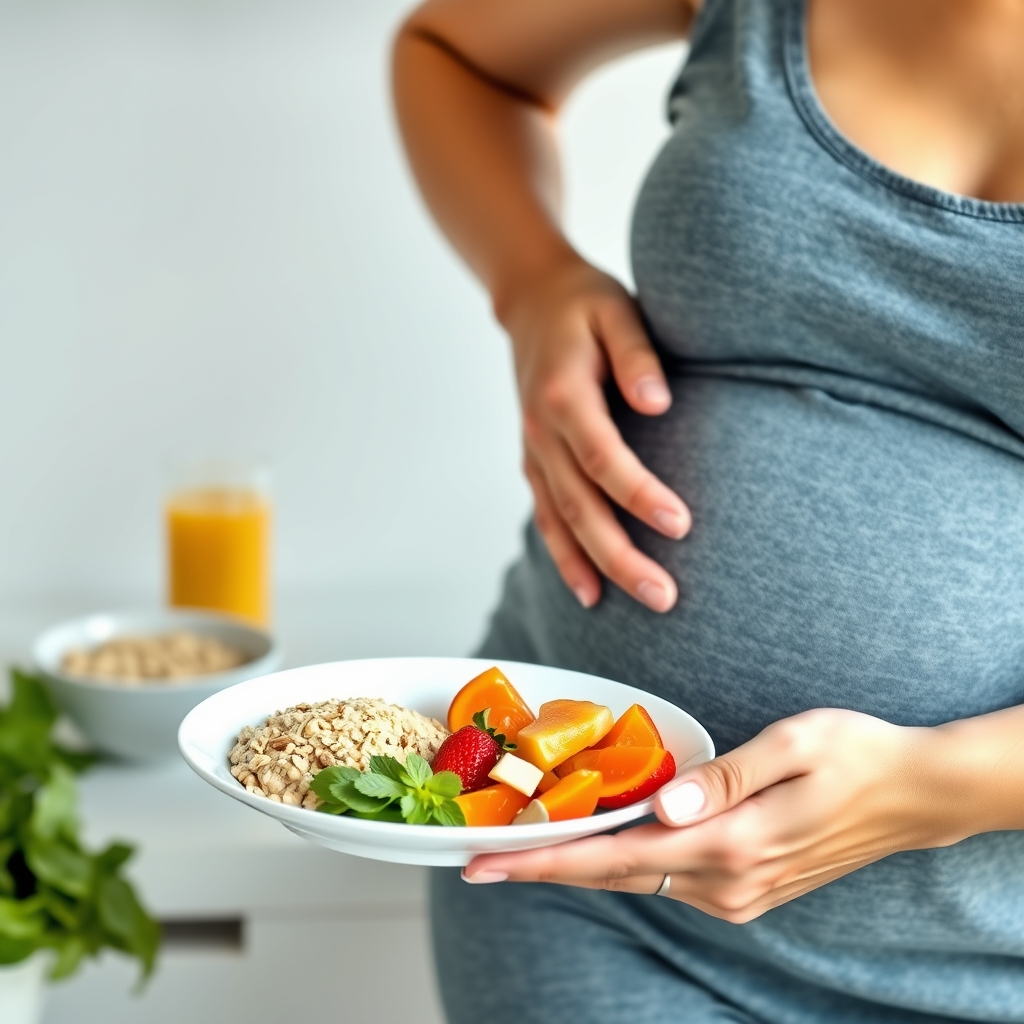
Oats, Greek yogurt, lentils, low-mercury salmon, eggs, leafy greens, and citrus — practical ways to build balanced plates.
Keywords
Pregnancy Meal Planner Team · Pregnancy Meal Planner Nutrition Editorial (WHO/CDC/NHS/ACOG)
Introduction to Pregnancy Nutrition
Pregnancy nutrition plays a crucial role in ensuring the health and well-being of both mother and baby. During pregnancy, the body requires adequate nutrition to support the growth and development of the fetus. Therefore, choosing the right foods is essential.
International Pantry Staples for Pregnancy
There are several international pantry staples that are beneficial for pregnant women, including:
- Oats: rich in fiber, which helps support digestive health and reduce the risk of constipation.
- Greek yogurt: rich in calcium, which helps support the development of the fetus's bones and teeth.
- Lentils: rich in protein, fiber, and other essential nutrients, which help support the growth and development of the fetus.
- Low-mercury salmon: rich in omega-3 fatty acids, which help support the development of the fetus's brain and eyes.
- Eggs: rich in protein, vitamins, and minerals, which help support the growth and development of the fetus.
- Leafy greens and citrus: rich in vitamins and minerals, which help support immune function and reduce the risk of illness.
Building Balanced Plates for Pregnancy
To build a balanced plate for pregnancy, you can combine these pantry staples with other nutrient-dense foods. For example:
- Breakfast: oatmeal with Greek yogurt and fruit.
- Lunch: lentil soup with leafy greens and low-mercury salmon.
- Dinner: scrambled eggs with leafy greens and citrus.
Food Safety Considerations
When choosing foods, it's essential to consider food safety. According to the CDC, pregnant women should avoid eating:
- Raw or undercooked foods.
- Foods high in mercury.
- Foods contaminated with listeria.
Conclusion
Pregnancy nutrition is critical for ensuring the health and well-being of both mother and baby. Choosing the right foods and following food safety guidelines can help support the growth and development of the fetus. You can visit our meal planner for more information on pregnancy nutrition.
Resources
- WHO: Nutrition counseling during pregnancy.
- CDC: Food safety for pregnant women.
- NHS: Foods to avoid during pregnancy.
Contact Us
If you have any questions about pregnancy nutrition, please contact us at support.
FAQs
- Q: What foods are good for pregnant women?
A: Oats, Greek yogurt, lentils, low-mercury salmon, eggs, leafy greens, and citrus are all good options.
- Q: How can I build a balanced plate for pregnancy?
A: You can combine the pantry staples mentioned above with other nutrient-dense foods, such as fruits, vegetables, and whole grains.
- Q: What foods should I avoid during pregnancy?
A: According to the CDC, pregnant women should avoid eating raw or undercooked foods, foods high in mercury, and foods contaminated with listeria.
Explore on Pregnancy Meal Planner
Use these Pregnancy Meal Planner pages next — each link goes to a different part of the site:
Frequently asked questions
- What foods are good for pregnant women?
- Oats, Greek yogurt, lentils, low-mercury salmon, eggs, leafy greens, and citrus are all good options.
- How can I build a balanced plate for pregnancy?
- You can combine the pantry staples mentioned above with other nutrient-dense foods, such as fruits, vegetables, and whole grains.
- What foods should I avoid during pregnancy?
- According to the CDC, pregnant women should avoid eating raw or undercooked foods, foods high in mercury, and foods contaminated with listeria.
Meal planner
Get balanced pregnancy nutrition suggestions
Personalized Vietnamese meals with safety notes — free, no login.