Nausea-Friendly Pregnancy Meals: Easy to Eat and Nutritious
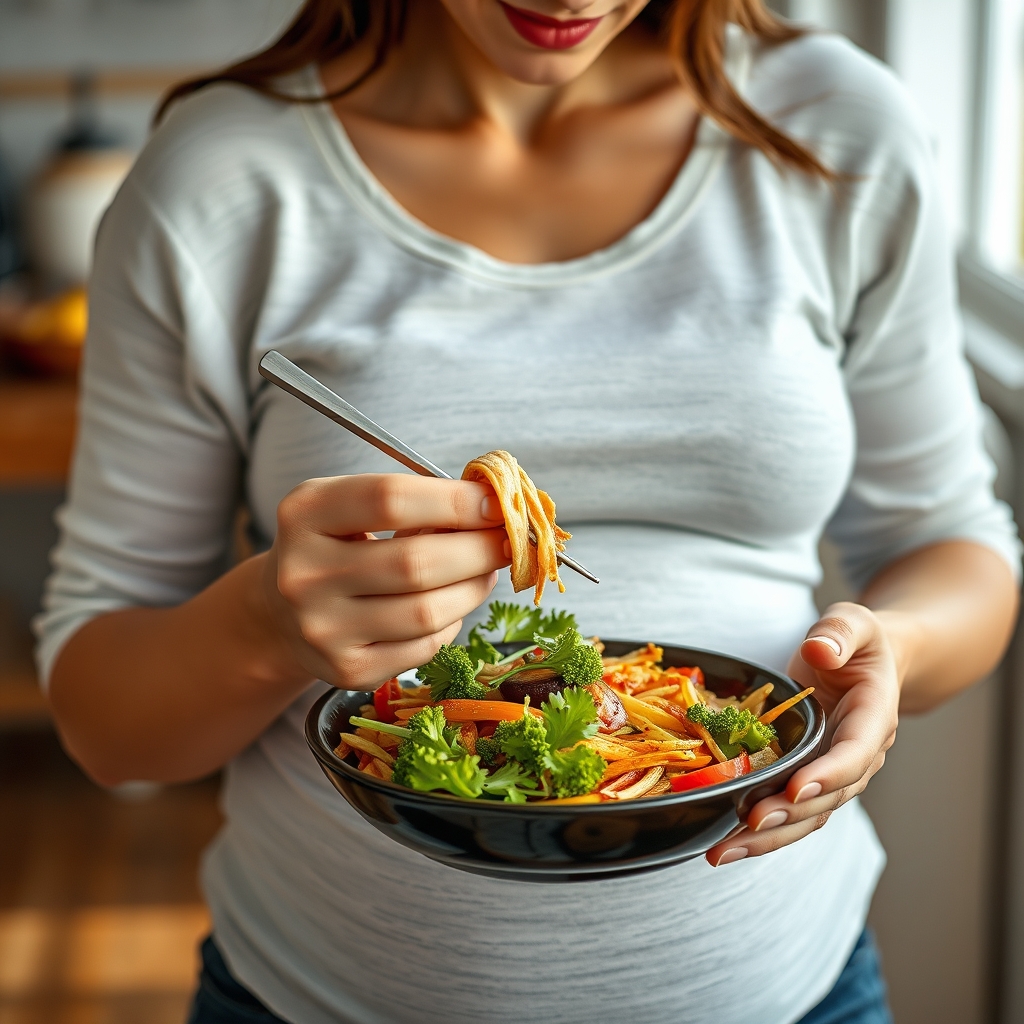
Split meals into smaller ones, eaten evenly through the day. Gentler textures, and nutrient-dense snacks when morning sickness makes eating hard.
Keywords
Pregnancy Meal Planner Team · Pregnancy Meal Planner Nutrition Editorial (WHO/CDC/NHS/ACOG)
Introduction to Morning Sickness in Pregnancy
Morning sickness is a common symptom in pregnancy, especially during the first trimester. It can cause feelings of nausea, vomiting, and loss of appetite, making eating difficult. However, providing adequate nutrition to the body is still crucial to ensure the health of both mother and baby.
Choosing Easy-to-Digest Foods
When experiencing morning sickness, choosing easy-to-digest foods is essential. Foods should have a soft texture and be easy to chew and swallow. Some suggestions for easy-to-digest foods include:
- Chicken or vegetable soup
- Porridge or oatmeal
- Soft fruits like bananas or apples
- Toast or crackers
Nutrient-Dense Snacks
Snacks are an essential part of the diet when experiencing morning sickness. Snacks should be nutrient-dense and easy to digest. Some suggestions for snacks include:
- Yogurt or milk
- Fresh or dried fruits
- Nuts like almonds or walnuts
- Sandwiches or toast with butter or jam
Foods Rich in Nutrients
Despite morning sickness, providing adequate nutrition to the body is still crucial. Foods rich in nutrients should be prioritized, including:
- Lean meats like chicken or beef
- Fish or seafood
- Leafy greens like spinach or kale
- Fresh fruits like apples or bananas
Food Safety
When experiencing morning sickness, choosing safe foods is essential. Foods should be cooked thoroughly and avoided foods that can cause food poisoning. Some suggestions for safe foods include:
- Cooked foods
- Fresh fruits and vegetables washed clean
- Pasteurized dairy products
Conclusion
Morning sickness is a common symptom in pregnancy, but providing adequate nutrition to the body is still crucial. Choosing easy-to-digest foods, nutrient-dense snacks, and safe foods will make eating easier. For more information on pregnancy meal planning, you can visit our pregnancy meal planner or prenatal nutrition pages.
Note
If you have any questions or concerns about your diet during pregnancy, consult your doctor or a registered dietitian. They will help you create a personalized meal plan that meets your needs and ensures the health of both you and your baby.
Additional Resources
For more information on pregnancy nutrition and meal planning, you can visit our pregnancy nutrition category or premium meal planning pages.
Explore on Pregnancy Meal Planner
Use these Pregnancy Meal Planner pages next — each link goes to a different part of the site:
Frequently asked questions
- How can I reduce morning sickness?
- There are several ways to reduce morning sickness, including split meals into smaller ones, eaten evenly through the day, avoiding strong-smelling foods, and drinking plenty of water.
- What foods should I avoid when experiencing morning sickness?
- Foods that can trigger nausea, such as strong-smelling or spicy foods, should be avoided when experiencing morning sickness.
- How can I ensure I'm getting enough nutrients during pregnancy?
- To ensure you're getting enough nutrients during pregnancy, prioritize nutrient-dense foods like lean meats, fish, leafy greens, and fresh fruits.
Meal planner
Create a 7-day meal plan for your pregnancy week
Personalized Vietnamese meals with safety notes — free, no login.