Omega-3 and DHA in Pregnancy: Food Sources and Supplement Cautions
Why DHA matters for fetal development, low-mercury fish options, and when to ask a clinician about supplements.
Pregnancy Meal Planner Team · Pregnancy Meal Planner Nutrition Editorial (WHO/CDC/NHS/ACOG)
Introduction
Omega-3 and DHA are essential nutrients for fetal development. During pregnancy, providing adequate Omega-3 and DHA can support the development of the baby's brain, eyes, and cardiovascular system. However, choosing the right food sources and supplements requires careful consideration.
The Role of DHA
DHA (Docosahexaenoic acid) is an important Omega-3 fatty acid, making up about 10% of the total fat in the brain. DHA plays a crucial role in the development of the brain, eyes, and cardiovascular system of the fetus. According to the World Health Organization (WHO), DHA may also help reduce the risk of cardiovascular disease and hypertension in the mother.
Food Sources Rich in Omega-3 and DHA
Some food sources rich in Omega-3 and DHA include:
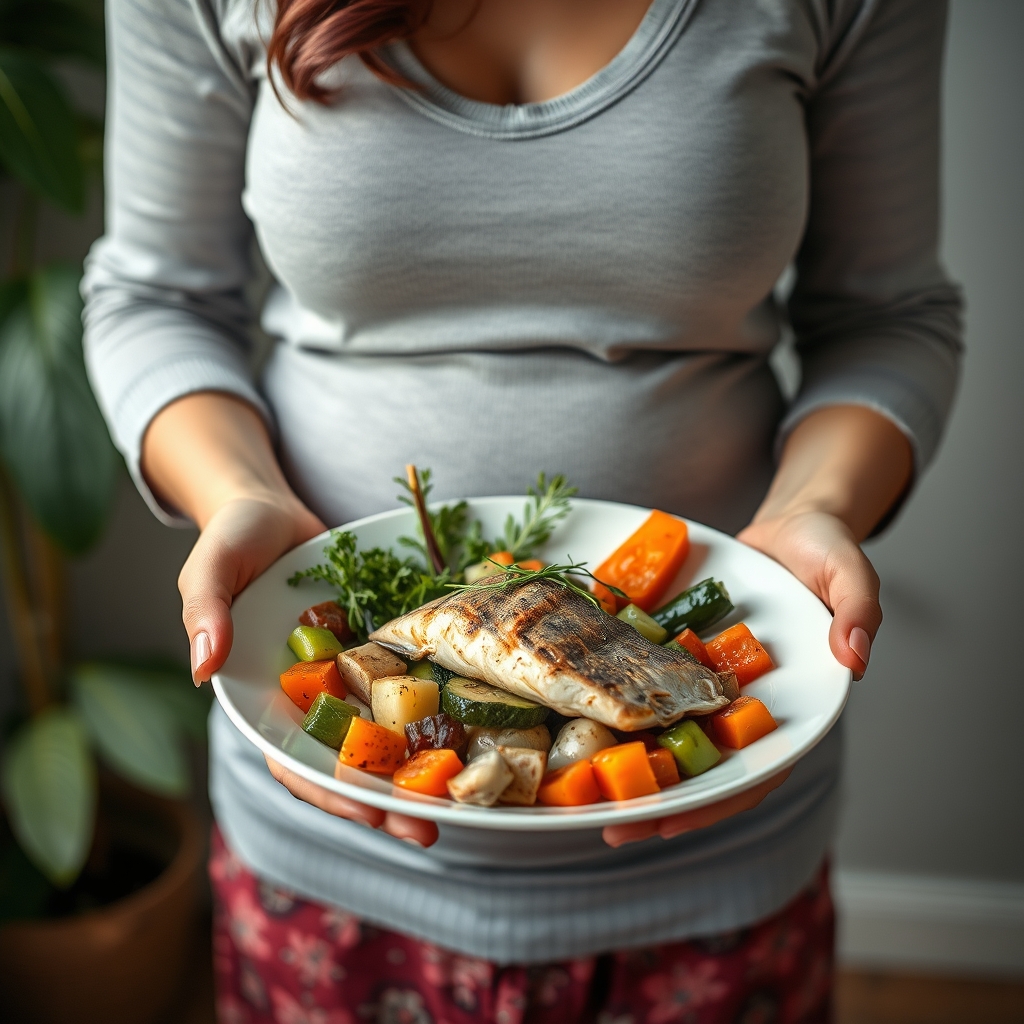
* Salmon: Salmon is a rich source of Omega-3 and DHA. However, it's essential to note that salmon can also contain mercury, so consumption should be limited.
* Sardines: Sardines are a rich source of Omega-3 and DHA, and have lower mercury levels than salmon.
* Anchovies: Anchovies are a rich source of Omega-3 and DHA, and have lower mercury levels than salmon.
* Seaweed: Seaweed is a rich source of Omega-3 and DHA, and also contains other essential nutrients like vitamins and minerals.
Supplement Cautions
Omega-3 and DHA supplements can be used to support fetal development. However, not all supplements are created equal. It's essential to choose supplements from reputable manufacturers, and consult with a healthcare provider before taking them.
When to Consult a Healthcare Provider
You should consult a healthcare provider before taking Omega-3 and DHA supplements if:
* You are pregnant or breastfeeding
* You have any underlying medical conditions, such as cardiovascular disease or hypertension
* You are taking any other medications
Conclusion
Omega-3 and DHA are essential nutrients for fetal development. Choosing the right food sources and supplements requires careful consideration. It's essential to consult with a healthcare provider before taking supplements, and choose supplements from reputable manufacturers.
For more information on prenatal nutrition, you can visit our blog. Additionally, you can check out our meal planner to get a personalized nutrition plan that meets your needs.
Explore on Pregnancy Meal Planner
Use these Pregnancy Meal Planner pages next — each link goes to a different part of the site:
- free 7-day pregnancy meal planner
- prenatal nutrition articles
- topic hubs for pregnancy nutrition
- Pregnancy Meal Planner Premium
Sources
* World Health Organization. (2019). Nutrition counselling during pregnancy.
* Centers for Disease Control and Prevention. (2020). People at Risk: Pregnant Women — Food Safety.
* National Institutes of Health. (2020). Folate — Fact Sheet for Health Professionals.
Educational overview inspired by Pregnancy Meal Planner Editorial. Not a verbatim copy.
Frequently asked questions
- Why is DHA important for fetal development?
- DHA plays a crucial role in the development of the brain, eyes, and cardiovascular system of the fetus.
- What are some food sources rich in Omega-3 and DHA?
- Salmon, sardines, anchovies, and seaweed are rich sources of Omega-3 and DHA.
- When should I consult a healthcare provider before taking Omega-3 and DHA supplements?
- You should consult a healthcare provider before taking supplements if you are pregnant or breastfeeding, have any underlying medical conditions, or are taking any other medications.
Meal planner
Get balanced pregnancy nutrition suggestions
Personalized Vietnamese meals with safety notes — free, no login.