Omega-3 and DHA in Pregnancy: Food Sources and Supplement Cautions
Why DHA matters for fetal development, low-mercury fish options, and when to ask a clinician about supplements
Keywords
Pregnancy Meal Planner Team · Pregnancy Meal Planner Nutrition Editorial (WHO/CDC/NHS/ACOG)
Introduction to Omega-3 and DHA
Omega-3 and DHA are two essential fatty acids that play a crucial role in fetal development. DHA (docosahexaenoic acid) is a type of omega-3 fatty acid that is particularly important for brain and eye development.
The Role of DHA in Pregnancy
DHA supports the development of the brain and eyes of the fetus, and may also help reduce the risk of conditions such as asthma and allergies. Additionally, DHA may improve cognitive function and learning ability in children after birth.
Food Sources of Omega-3 and DHA
There are many food sources rich in Omega-3 and DHA, including:
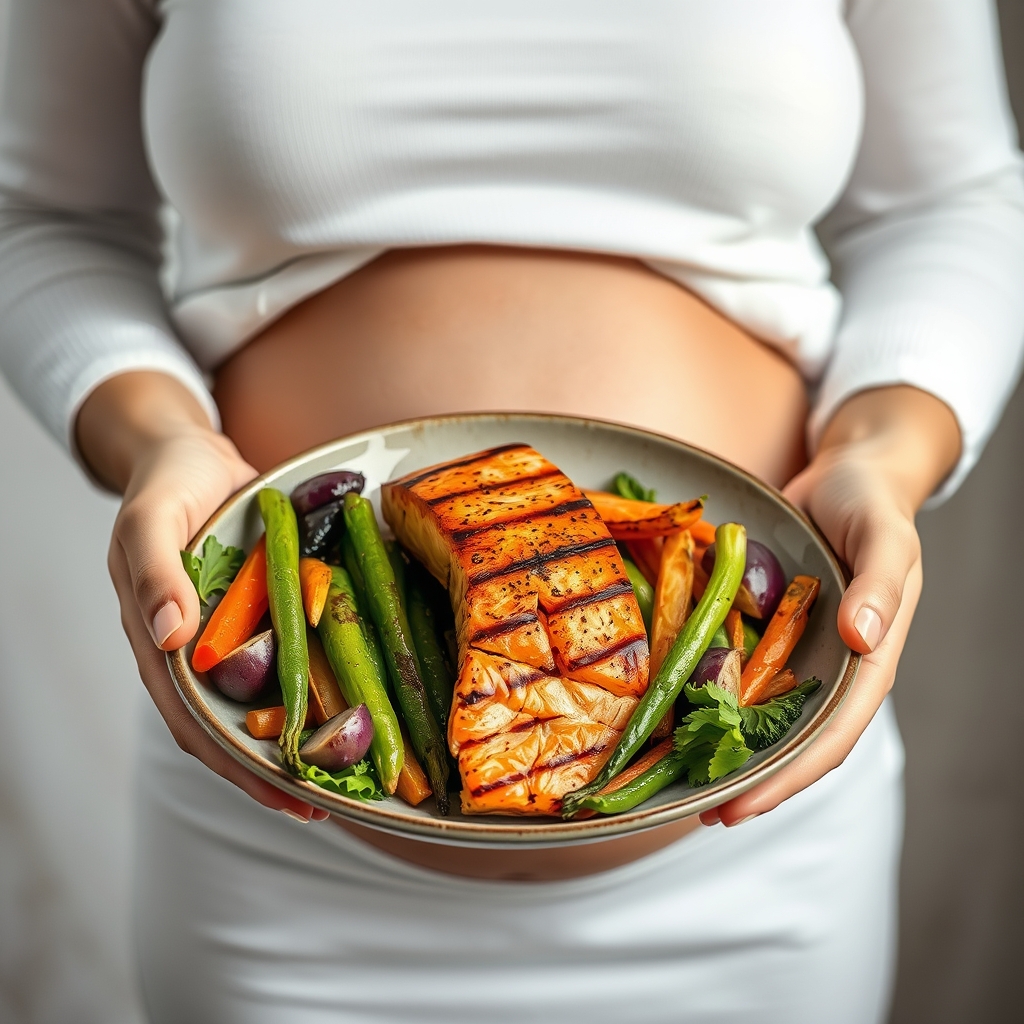
* Salmon: This is one of the richest sources of DHA.
* Sardines: Sardines are another rich source of DHA.
* Anchovies: Anchovies are a rich source of Omega-3.
* Eggs: Eggs are a rich source of DHA.
* Yogurt: Yogurt is also a rich source of DHA.
Cautions When Using Omega-3 and DHA Supplements
When using Omega-3 and DHA supplements, it is essential to note the following:
* Only use supplements under the guidance of a healthcare provider.
* Choose supplements from reputable sources and with high-quality ingredients.
* Do not exceed the recommended dosage.
Foods to Avoid During Pregnancy
During pregnancy, it is essential to avoid the following foods:
* High-mercury fish: Fish with high levels of mercury, such as shark, swordfish, and king mackerel.
* Raw or undercooked foods: Raw or undercooked foods, such as sushi, sashimi, and raw meat.
* Foods with a high risk of bacterial contamination: Foods with a high risk of bacterial contamination, such as raw eggs and unpasteurized dairy products.
Conclusion
Omega-3 and DHA are essential fatty acids for fetal development. There are many food sources rich in Omega-3 and DHA, and it is crucial to be cautious when using supplements. To have a healthy pregnancy, it is essential to follow the recommended dietary guidelines and consult with a healthcare provider before using any supplements or foods.
To learn more about prenatal nutrition and food sources rich in Omega-3 and DHA, you can visit our pregnancy meal planner and prenatal nutrition pages.
Remember to always consult with a healthcare provider before making any changes to your diet or supplement routine during pregnancy.
Explore on Pregnancy Meal Planner
Use these Pregnancy Meal Planner pages next — each link goes to a different part of the site:
Frequently asked questions
- Why is DHA important for fetal development?
- DHA supports the development of the brain and eyes of the fetus, and may also help reduce the risk of conditions such as asthma and allergies.
- What are some food sources rich in Omega-3 and DHA?
- Salmon, sardines, anchovies, eggs, and yogurt are all rich sources of Omega-3 and DHA.
- When should I consult a clinician about Omega-3 and DHA supplements?
- You should consult a clinician before using any Omega-3 and DHA supplements, especially if you are pregnant or have any underlying health conditions.
Meal planner
Get balanced pregnancy nutrition suggestions
Personalized Vietnamese meals with safety notes — free, no login.