Omega-3 and DHA in Pregnancy: Food Sources and Supplement Cautions
Why DHA matters for fetal development, low-mercury fish options, and when to ask a clinician about supplements
Keywords
Pregnancy Meal Planner Team · Pregnancy Meal Planner Nutrition Editorial (WHO/CDC/NHS/ACOG)
Introduction to Omega-3 and DHA
Omega-3 and DHA are essential nutrients for the health of both mother and baby during pregnancy. DHA (Docosahexaenoic acid) is a type of omega-3 fatty acid that plays a crucial role in the development of the baby's brain and eyes.
The Role of DHA in Pregnancy
DHA supports the development of the baby's brain and eyes, as well as the development of the nervous system. Additionally, DHA may help reduce the risk of certain diseases, such as asthma and allergies, in newborns.
Food Sources Rich in Omega-3 and DHA
There are many food sources rich in Omega-3 and DHA that pregnant women can incorporate into their daily diet. Some of these food sources include:
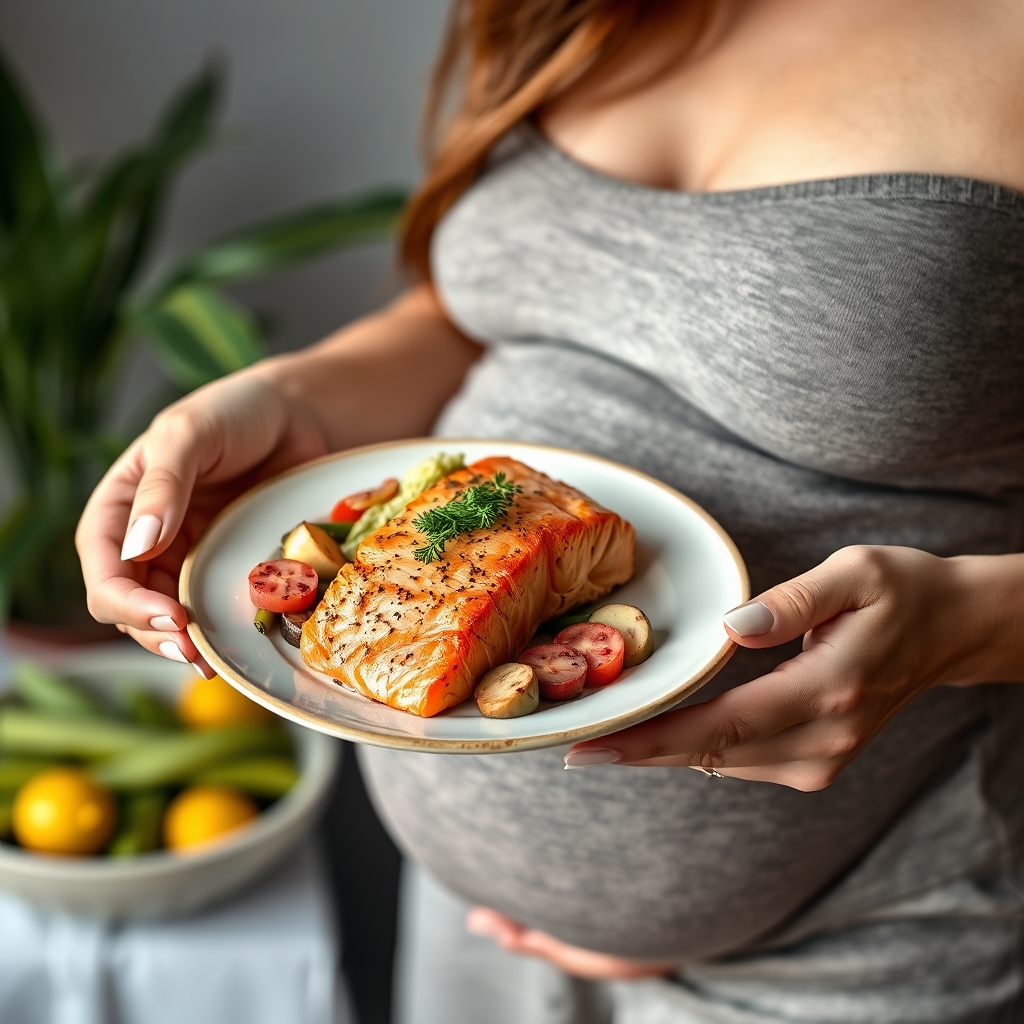
* Salmon: Salmon is a rich source of Omega-3 and DHA. Pregnant women can eat salmon 2-3 times a week.
* Sardines: Sardines are another rich source of Omega-3 and DHA.
* Anchovies: Anchovies are a rich source of Omega-3 and DHA.
* Caviar: Caviar is a rich source of DHA.
* Leafy Greens: Some leafy greens, such as spinach, kale, and collard greens, also contain Omega-3 and DHA.
Cautions When Taking Omega-3 and DHA Supplements
Pregnant women should consult their clinician before taking Omega-3 and DHA supplements. Omega-3 and DHA supplements can interact with other medications that pregnant women may be taking, and may cause side effects such as nausea and diarrhea.
Foods to Avoid
Pregnant women should avoid eating the following foods:
* High-Mercury Fish: Fish with high levels of mercury, such as shark, swordfish, and king mackerel, can harm the health of both mother and baby.
* Raw Fish: Raw fish can contain parasites and bacteria that can harm the health of both mother and baby.
Conclusion
Omega-3 and DHA are essential nutrients for the health of both mother and baby during pregnancy. Pregnant women can incorporate Omega-3 and DHA into their daily diet through food sources rich in these nutrients. However, pregnant women should consult their clinician before taking Omega-3 and DHA supplements.
Helpful Links
For more information on pregnancy meal planning and nutrition, pregnant women can visit our pregnancy meal planner and prenatal nutrition pages.
Frequently Asked Questions
* Q: Why is DHA important during pregnancy?
A: DHA supports the development of the baby's brain and eyes, as well as the development of the nervous system.
* Q: What foods are rich in Omega-3 and DHA?
A: Salmon, sardines, anchovies, caviar, and some leafy greens, such as spinach, kale, and collard greens.
* Q: Should pregnant women take Omega-3 and DHA supplements?
A: Pregnant women should consult their clinician before taking Omega-3 and DHA supplements to ensure safety and efficacy.
Explore on Pregnancy Meal Planner
Use these Pregnancy Meal Planner pages next — each link goes to a different part of the site:
Frequently asked questions
- Why is DHA important during pregnancy?
- DHA supports the development of the baby's brain and eyes, as well as the development of the nervous system.
- What foods are rich in Omega-3 and DHA?
- Salmon, sardines, anchovies, caviar, and some leafy greens, such as spinach, kale, and collard greens.
- Should pregnant women take Omega-3 and DHA supplements?
- Pregnant women should consult their clinician before taking Omega-3 and DHA supplements to ensure safety and efficacy.
Meal planner
Get balanced pregnancy nutrition suggestions
Personalized Vietnamese meals with safety notes — free, no login.