First Trimester Nutrition Checklist: Folate, Iron, and Safer Foods
Prioritize folic acid, iron-rich foods, hydration, and cooked foods during weeks 1-12
Keywords
Pregnancy Meal Planner Team · Pregnancy Meal Planner Nutrition Editorial (WHO/CDC/NHS/ACOG)
Introduction
During the first trimester of pregnancy, nutrition plays a crucial role in supporting the development of the fetus. Providing adequate essential nutrients will help both the mother and the fetus stay healthy. In this article, we will explore the key factors in first-trimester nutrition, including folate, iron, and safer foods.
Folate and its importance
Folate is a crucial nutrient during pregnancy, especially during the first trimester. According to the World Health Organization (WHO), folate helps prevent neural tube defects in the fetus. Pregnant women should consume 400-800 micrograms of folate daily. Foods rich in folate include leafy greens, fruits, and dairy products.
Iron and its role
Iron is another essential nutrient during pregnancy. According to the Centers for Disease Control and Prevention (CDC), iron helps support the development of the fetus and prevents anemia in pregnant women. Pregnant women should consume 27 milligrams of iron daily. Foods rich in iron include red meat, chicken, fish, and legumes.
Safer foods
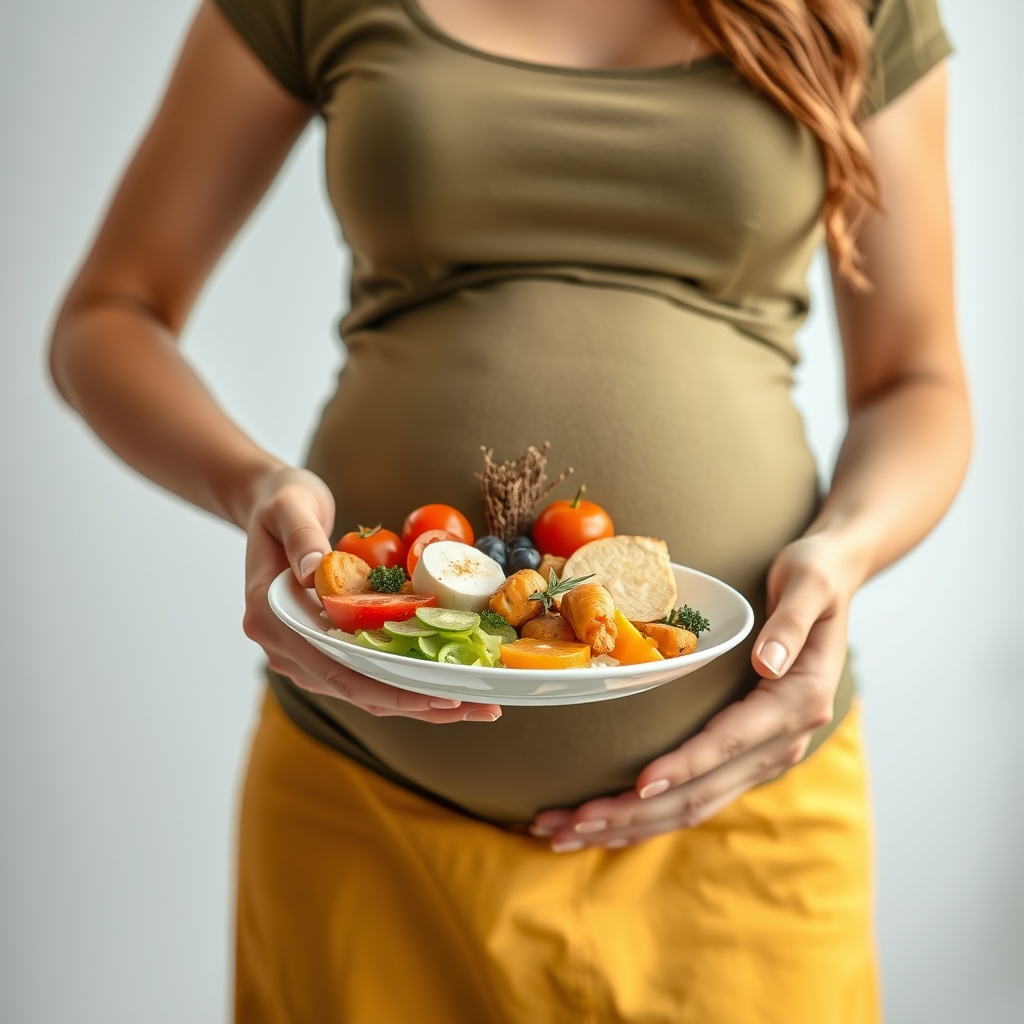
During the first trimester of pregnancy, pregnant women should prioritize safer foods to avoid the risk of food poisoning. According to the National Health Service (NHS), pregnant women should avoid undercooked foods, such as sushi, sashimi, and raw eggs. Instead, they should opt for cooked foods, such as cooked meat, fish, and vegetables.
Sample meal plan
Here are some sample meal ideas for pregnant women during the first trimester:
* Breakfast: Oatmeal with fruit and milk
* Lunch: Cooked chicken with steamed vegetables and brown rice
* Dinner: Grilled fish with roasted vegetables and quinoa
Conclusion
First-trimester nutrition is crucial for supporting the development of the fetus. Pregnant women should prioritize folate, iron, and safer foods to ensure the health of both mother and fetus. For more information on pregnancy nutrition, pregnant women can visit our website or read more about related topics.
When to seek help
If pregnant women have any questions or concerns about pregnancy nutrition, they should consult their doctor or a registered dietitian for advice.
Explore on Pregnancy Meal Planner
Use these Pregnancy Meal Planner pages next — each link goes to a different part of the site:
- iron-focused pregnancy meal plan
- prenatal nutrition articles
- first-trimester topic hub
- Pregnancy Meal Planner Premium
Sources
* World Health Organization (WHO): Nutrition counselling during pregnancy
* Centers for Disease Control and Prevention (CDC): People at Risk: Pregnant Women — Food Safety
* National Health Service (NHS): Foods to avoid in pregnancy
Educational overview inspired by Pregnancy Meal Planner Editorial. Not a verbatim copy.
Frequently asked questions
- Why is folate important during pregnancy?
- Folate helps prevent neural tube defects in the fetus
- How can I get enough iron during pregnancy?
- Pregnant women should consume 27 milligrams of iron daily through iron-rich foods like red meat, chicken, fish, and legumes
- What foods should I avoid during the first trimester?
- Pregnant women should avoid undercooked foods, such as sushi, sashimi, and raw eggs
Meal planner
Get balanced pregnancy nutrition suggestions
Personalized Vietnamese meals with safety notes — free, no login.