First Trimester Nutrition Checklist: Folate, Iron, and Safer Foods
Prioritize folic acid, iron-rich foods, hydration, and thoroughly cooked foods during weeks 1–12
Pregnancy Meal Planner Team · Pregnancy Meal Planner Nutrition Editorial (WHO/CDC/NHS/ACOG)
Introduction
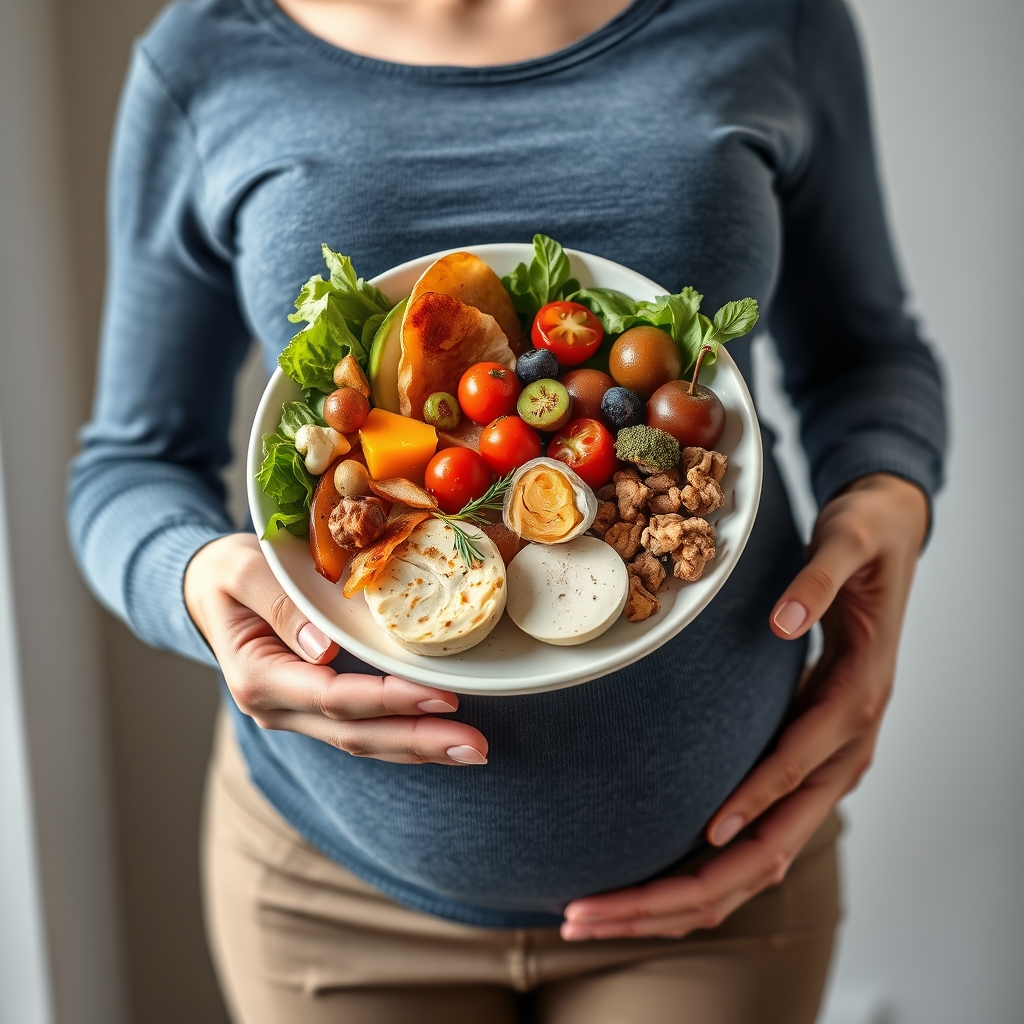
During the first trimester of pregnancy, nutrition plays a crucial role in the development of the fetus. Providing adequate essential nutrients will help the fetus develop healthily and reduce the risk of birth defects. In this article, we will discuss the important nutritional factors during the first trimester, including folate, iron, and safer foods.
Folate and its role
Folate is an essential nutrient during pregnancy, helping to prevent neural tube defects in the fetus. According to the World Health Organization (WHO), pregnant women should take 400 micrograms of folate daily. Foods rich in folate include leafy greens, fruits, whole grains, and dairy products.
Iron and its role
Iron is another crucial nutrient during pregnancy, helping to produce red blood cells and provide oxygen to the fetus. According to the Centers for Disease Control and Prevention (CDC), pregnant women should take 27 milligrams of iron daily. Foods rich in iron include red meat, poultry, fish, eggs, and nuts.
Safer foods
During the first trimester, pregnant women should avoid foods with a high risk of bacterial contamination, such as:
* Raw or undercooked foods
* Foods containing listeria, such as soft cheeses and deli meats
* Foods containing salmonella, such as raw eggs and raw meat
Instead, pregnant women should prioritize thoroughly cooked foods, such as:
* Leafy greens and fruits
* Whole grains and dairy products
* Cooked meat and fish
Important notes
Pregnant women should consult their doctor or a registered dietitian for personalized nutrition advice during pregnancy. Additionally, pregnant women should stay hydrated and limit foods with added sugars and preservatives.
Conclusion
Nutrition during the first trimester plays a vital role in the development of the fetus. Providing adequate essential nutrients, including folate, iron, and safer foods, will help the fetus develop healthily and reduce the risk of birth defects. Pregnant women should consult their doctor or a registered dietitian for personalized nutrition advice during pregnancy. For more information on pregnancy meal planning, you can visit our website.
Explore on Pregnancy Meal Planner
Use these Pregnancy Meal Planner pages next — each link goes to a different part of the site:
- iron-focused pregnancy meal plan
- prenatal nutrition articles
- first-trimester topic hub
- Pregnancy Meal Planner Premium
Sources
* World Health Organization (WHO): Nutrition counselling during pregnancy
* Centers for Disease Control and Prevention (CDC): People at Risk: Pregnant Women — Food Safety
* Pregnancy Meal Planner provides information and advice on nutrition during pregnancy.
Educational overview inspired by Pregnancy Meal Planner Editorial. Not a verbatim copy.
Frequently asked questions
- Why is folate important during pregnancy?
- Folate helps prevent neural tube defects in the fetus.
- How can I get enough iron during pregnancy?
- Pregnant women should take 27 milligrams of iron daily and eat iron-rich foods like red meat, poultry, fish, eggs, and nuts.
- What foods should I avoid during the first trimester?
- Pregnant women should avoid raw or undercooked foods, foods containing listeria and salmonella.
Meal planner
Get balanced pregnancy nutrition suggestions
Personalized Vietnamese meals with safety notes — free, no login.