Gestational Diabetes Meal Ideas: Balanced Carbs, Protein, and Fiber
Educational plate-building ideas for gestational diabetes monitoring — always follow your clinician’s targets.
Keywords
Pregnancy Meal Planner Team · Pregnancy Meal Planner Nutrition Editorial (WHO/CDC/NHS/ACOG)
Introduction to Gestational Diabetes
Gestational diabetes is a common health condition in pregnant women, particularly in the second and third trimesters. This condition occurs when the body cannot produce enough insulin to meet the demands of pregnancy, leading to high blood sugar levels.
Meal Planning for Gestational Diabetes
To manage gestational diabetes, it is essential to create a balanced and healthy meal plan. Here are some suggestions for building a plate to help you control your blood sugar levels:
* Carbohydrates: Choose complex carbohydrates like brown rice, whole-grain bread, sweet potatoes, and legumes. Avoid simple carbohydrates like sugar, sweets, and sugary drinks.
* Protein: Include protein sources like lean meat, fish, eggs, dairy, and legumes. Protein helps build and repair tissues in the body.
* Fiber: Fiber helps lower blood sugar levels and improve gut health. Choose fiber-rich foods like fruits, vegetables, legumes, and whole grains.
* Fruits and Vegetables: Fruits and vegetables provide vitamins, minerals, and fiber. Choose fruits and vegetables with a low glycemic index like apples, pears, carrots, and leafy greens.
Building a Plate
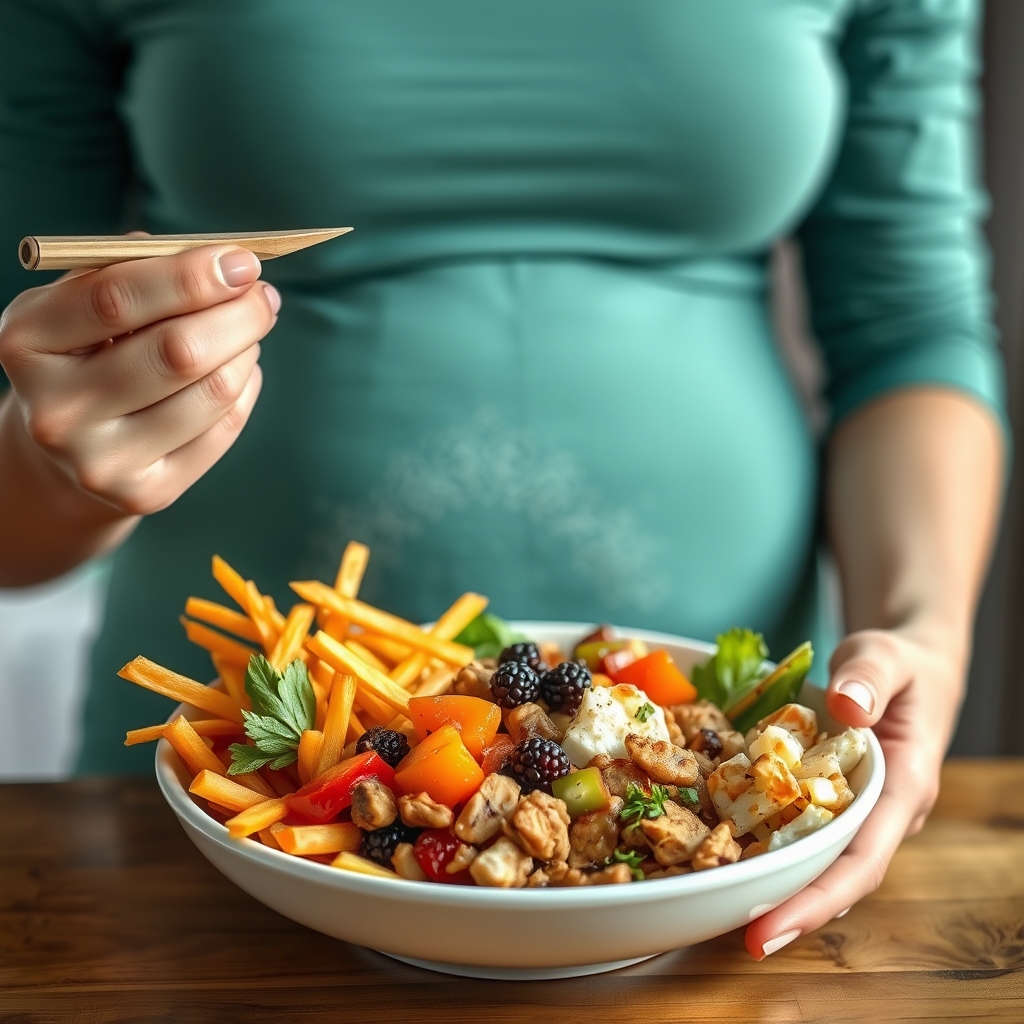
Here are some examples of building a plate for gestational diabetes:
* Breakfast: Oatmeal with fruit and nuts, whole-grain toast with eggs and spinach.
* Lunch: Brown rice with lean meat, vegetables, and fruit, lentil soup with whole-grain bread.
* Dinner: Grilled fish with sweet potatoes and green beans, chicken salad with mixed greens, vegetables, and whole-grain crackers.
Notes
When creating a meal plan for gestational diabetes, keep the following in mind:
* Follow your clinician’s targets: Always follow your clinician’s recommendations for diet and gestational diabetes management.
* Monitor your blood sugar levels: Regularly check your blood sugar levels to monitor and adjust your diet.
* Stay hydrated: Drink plenty of water to help control blood sugar levels and improve overall health.
Conclusion
Managing gestational diabetes requires a combination of a balanced diet, regular exercise, and blood sugar monitoring. With these plate-building suggestions, you can create a healthy and effective meal plan to control gestational diabetes. For more information on pregnancy meal planning and prenatal nutrition, visit our website.
Explore on Pregnancy Meal Planner
Use these Pregnancy Meal Planner pages next — each link goes to a different part of the site:
- gestational diabetes meal ideas in the planner
- pregnancy meal plan articles
- gestational diabetes topic hub
- Pregnancy Meal Planner Premium
Sources
* WHO: Nutrition counselling during pregnancy
* CDC: People at Risk: Pregnant Women — Food Safety
* NHS: Foods to avoid in pregnancy
Educational overview inspired by Pregnancy Meal Planner Editorial. Not a verbatim copy.
Frequently asked questions
- What do I need to do to manage gestational diabetes?
- To manage gestational diabetes, you need to create a balanced meal plan, exercise regularly, and monitor your blood sugar levels.
- What can I eat to control my blood sugar levels?
- You can eat foods rich in fiber, protein, and complex carbohydrates like brown rice, whole-grain bread, sweet potatoes, and legumes.
- Do I need to stay hydrated to help control my blood sugar levels?
- Yes, drinking plenty of water helps control blood sugar levels and improves overall health.
Meal planner
Create a 7-day meal plan for your pregnancy week
Personalized Vietnamese meals with safety notes — free, no login.