Gestational Diabetes Meal Ideas: Balanced Carbs, Protein and Fiber
Educational plate-building ideas for gestational diabetes monitoring — always follow your clinician’s targets.
Keywords
Pregnancy Meal Planner Team · Pregnancy Meal Planner Nutrition Editorial (WHO/CDC/NHS/ACOG)
Introduction to Gestational Diabetes
Gestational diabetes is a common health condition in pregnant women, particularly in the second and third trimesters. According to the World Health Organization (WHO), approximately 9% of pregnant women worldwide develop gestational diabetes. It is essential to manage this condition to avoid complications for both mother and baby.
Planning a Balanced Meal
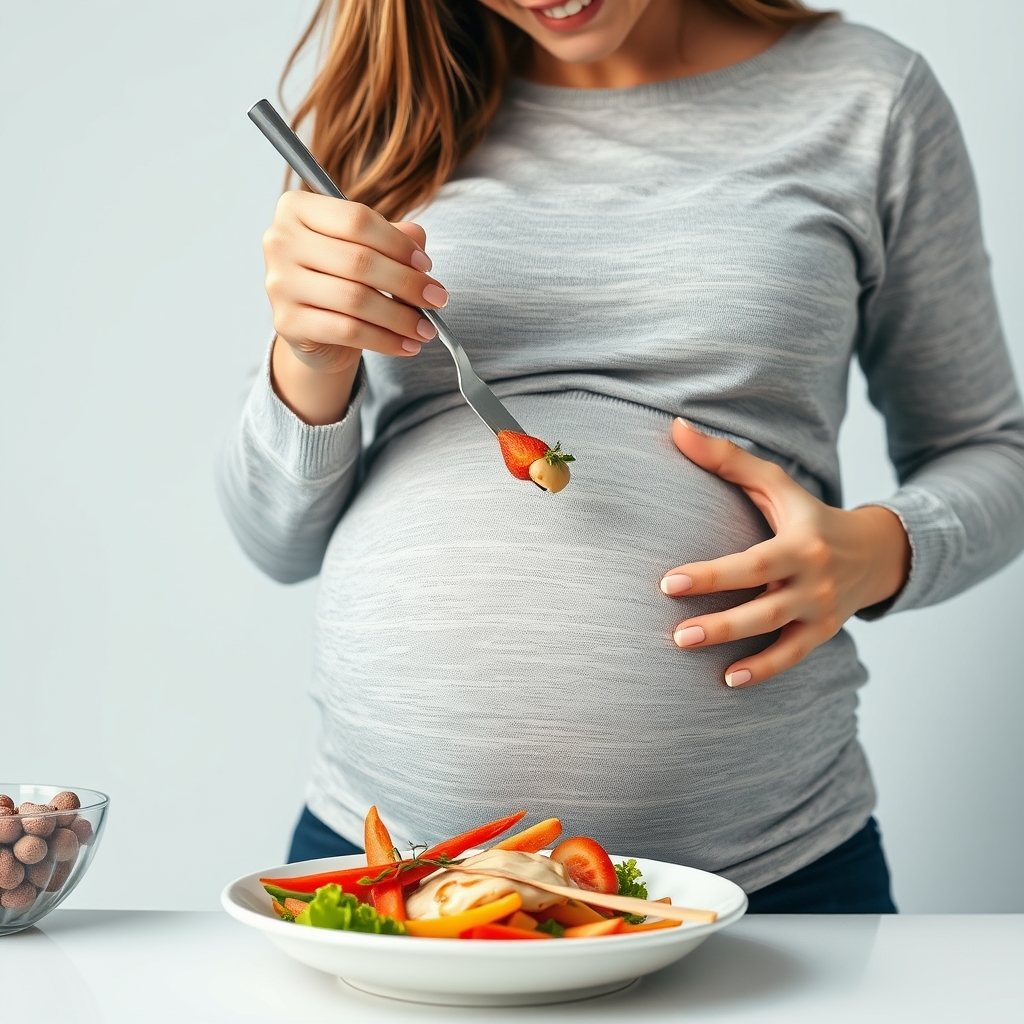
To manage gestational diabetes, planning a balanced meal is crucial. According to the Centers for Disease Control and Prevention (CDC), a good meal plan should include foods rich in carbohydrates, protein, and fiber. Here are some gestational diabetes meal ideas:
* Breakfast: Oatmeal with fruit and nuts, or whole-grain toast with scrambled eggs and spinach.
* Lunch: Grilled chicken with brown rice, steamed vegetables, and a side salad.
* Dinner: Baked salmon with roasted sweet potatoes, green beans, and a side salad.
Food Safety for Pregnant Women
According to the NHS, pregnant women should avoid eating the following foods:
* Undercooked or raw foods, such as sushi, sashimi, raw meat, and raw eggs.
* Foods with a high risk of listeria, such as soft cheeses and unpasteurized milk.
* Foods with high mercury levels, such as shark and swordfish.
Combining Foods to Control Blood Sugar
To control blood sugar, pregnant women should combine foods rich in carbohydrates, protein, and fiber. For example:
* Combining brown rice with black beans and steamed vegetables.
* Combining whole-grain toast with scrambled eggs and spinach.
* Combining roasted sweet potatoes with grilled chicken and green beans.
Practical Tips
Here are some practical tips to help pregnant women manage gestational diabetes:
* Eat regular meals and snacks.
* Choose foods rich in carbohydrates, protein, and fiber.
* Avoid undercooked or raw foods.
* Drink plenty of water and limit sugary drinks.
When to Seek Help
If pregnant women experience any of the following symptoms, they should seek help from their healthcare provider:
* High or low blood sugar levels.
* Nausea or vomiting.
* Headaches or dizziness.
* Shortness of breath or rapid heartbeat.
References
* World Health Organization (WHO): https://www.who.int/
* Centers for Disease Control and Prevention (CDC): https://www.cdc.gov/
* NHS: https://www.nhs.uk/
* Pregnancy Meal Planner: /blog
Internal Links
For more information on pregnancy meal planning and prenatal nutrition, please visit our pregnancy meal planner page.
Explore on Pregnancy Meal Planner
Use these Pregnancy Meal Planner pages next — each link goes to a different part of the site:
Frequently asked questions
- What should I eat to manage gestational diabetes?
- You should eat foods rich in carbohydrates, protein, and fiber, such as brown rice, black beans, steamed vegetables, grilled chicken, and roasted sweet potatoes.
- Can I eat sushi while pregnant?
- No, you should avoid eating sushi while pregnant because it may contain high levels of mercury and harmful bacteria.
- What should I drink to manage gestational diabetes?
- You should drink plenty of water and limit sugary drinks.
Meal planner
Create a 7-day meal plan for your pregnancy week
Personalized Vietnamese meals with safety notes — free, no login.