International Pantry Staples for Pregnancy Nutrition
Oats, Greek yogurt, lentils, low-mercury salmon, eggs, leafy greens, and citrus — practical ways to build balanced plates
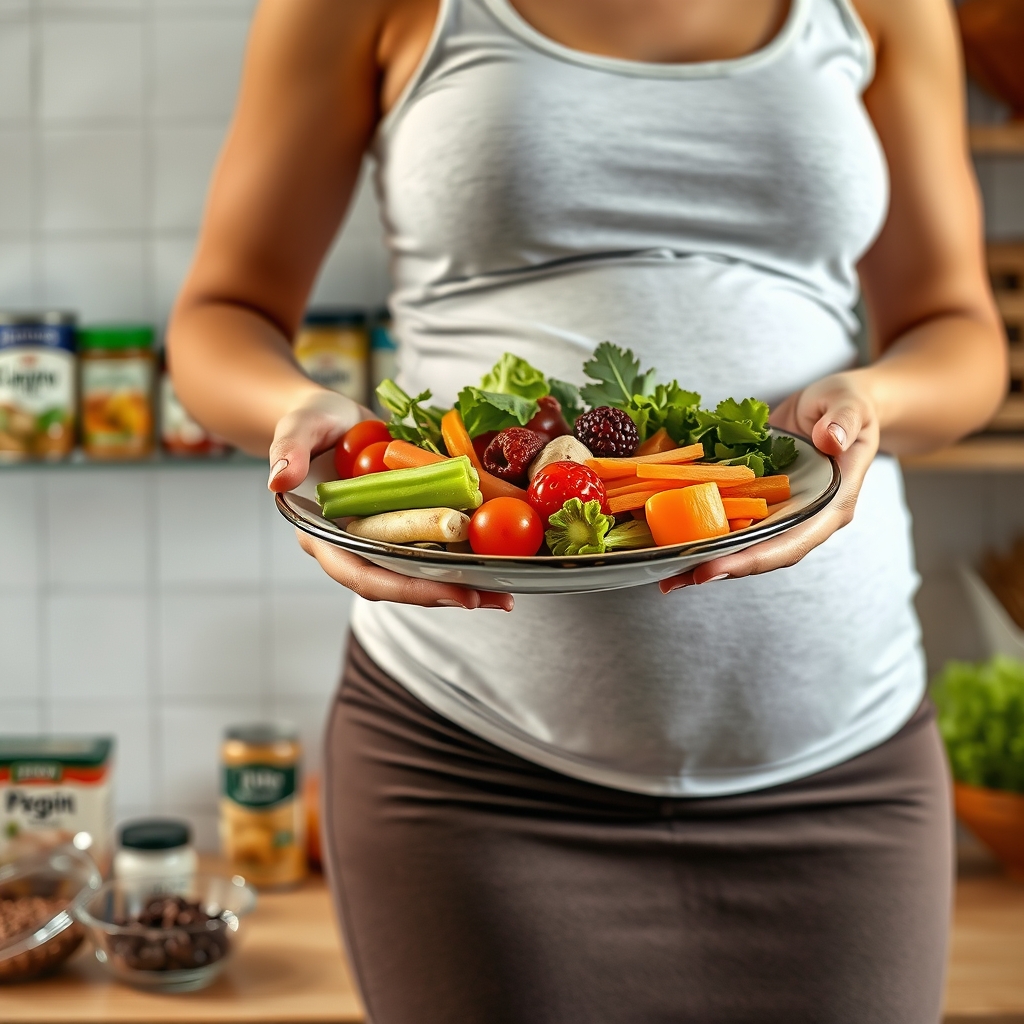
Keywords
Pregnancy Meal Planner Team · Pregnancy Meal Planner Nutrition Editorial (WHO/CDC/NHS/ACOG)
Introduction
A well-planned diet is essential for a healthy pregnancy. International pantry staples can provide a wealth of nutrients and flavors to support the health of both mother and baby. In this article, we will explore the best international pantry staples for pregnancy nutrition and provide practical tips on how to incorporate them into your diet.
International Pantry Staples for Pregnancy
Some of the best international pantry staples for pregnancy include:
- Oats: rich in fiber, which can help support digestive health and reduce the risk of constipation.
- Greek yogurt: rich in calcium, which is essential for the development of the baby's bones and teeth.
- Lentils: rich in iron, which is vital for the production of red blood cells and can help reduce the risk of anemia.
- Low-mercury salmon: rich in omega-3 fatty acids, which can support the development of the baby's brain and eyes.
- Eggs: rich in protein, which is essential for the growth and development of the baby.
- Leafy greens and citrus: rich in vitamins and minerals, which can help support immune function and reduce the risk of illness.
Combining International Pantry Staples
To create a balanced diet, you can combine these international pantry staples in a variety of ways. For example:
- Breakfast: oatmeal with Greek yogurt and fruit.
- Lunch: salad with leafy greens, lentils, and low-mercury salmon.
- Dinner: scrambled eggs with leafy greens and citrus.
Practical Tips
Some practical tips for incorporating international pantry staples into your diet include:
- Eating a variety of foods: aim to include a range of different foods in your diet to ensure you are getting all the nutrients you need.
- Staying hydrated: drink at least eight glasses of water a day to support digestive health and reduce the risk of constipation.
- Avoiding unsafe foods: avoid eating foods that are not safe for pregnant women, such as raw or undercooked foods, to reduce the risk of illness.
When to Seek Help
If you have any questions or concerns about your diet, be sure to speak with your healthcare provider or a registered dietitian. They can provide personalized advice and support to help you create a healthy and balanced diet.
Resources
For more information on pregnancy nutrition and meal planning, visit our blog or meal planner for tips and resources.
Conclusion
A well-planned diet is essential for a healthy pregnancy. International pantry staples can provide a wealth of nutrients and flavors to support the health of both mother and baby. By incorporating these staples into your diet and following practical tips, you can create a balanced and nutritious diet that supports the health and well-being of you and your baby.
Explore on Pregnancy Meal Planner
Use these Pregnancy Meal Planner pages next — each link goes to a different part of the site:
Frequently asked questions
- Why are oats good for pregnant women?
- Oats are rich in fiber, which can help support digestive health and reduce the risk of constipation.
- How can I incorporate low-mercury salmon into my diet?
- You can add low-mercury salmon to salads or cook it with leafy greens and citrus.
- Why is it important to stay hydrated during pregnancy?
- Staying hydrated can help support digestive health and reduce the risk of constipation, as well as support the development of the baby.
Meal planner
Get balanced pregnancy nutrition suggestions
Personalized Vietnamese meals with safety notes — free, no login.