Omega-3 and DHA in Pregnancy: Food Sources and Supplement Cautions
Why DHA matters for fetal development, low-mercury fish options, and when to ask a clinician about supplements
Pregnancy Meal Planner Team · Pregnancy Meal Planner Nutrition Editorial (WHO/CDC/NHS/ACOG)
Introduction
During pregnancy, a well-balanced diet plays a crucial role in the development of the fetus. One of the most important nutrients is Omega-3 and DHA. In this article, we will explore the role of DHA in fetal development, food sources rich in Omega-3 and DHA, and the precautions to take when using supplements.
The Role of DHA
DHA (Docosahexaenoic acid) is an essential Omega-3 fatty acid that plays a critical role in the development of the fetus's brain and nervous system. According to the World Health Organization (WHO), DHA also supports the development of the fetus's vision and immune system.
Food Sources Rich in Omega-3 and DHA
There are several food sources rich in Omega-3 and DHA, including:
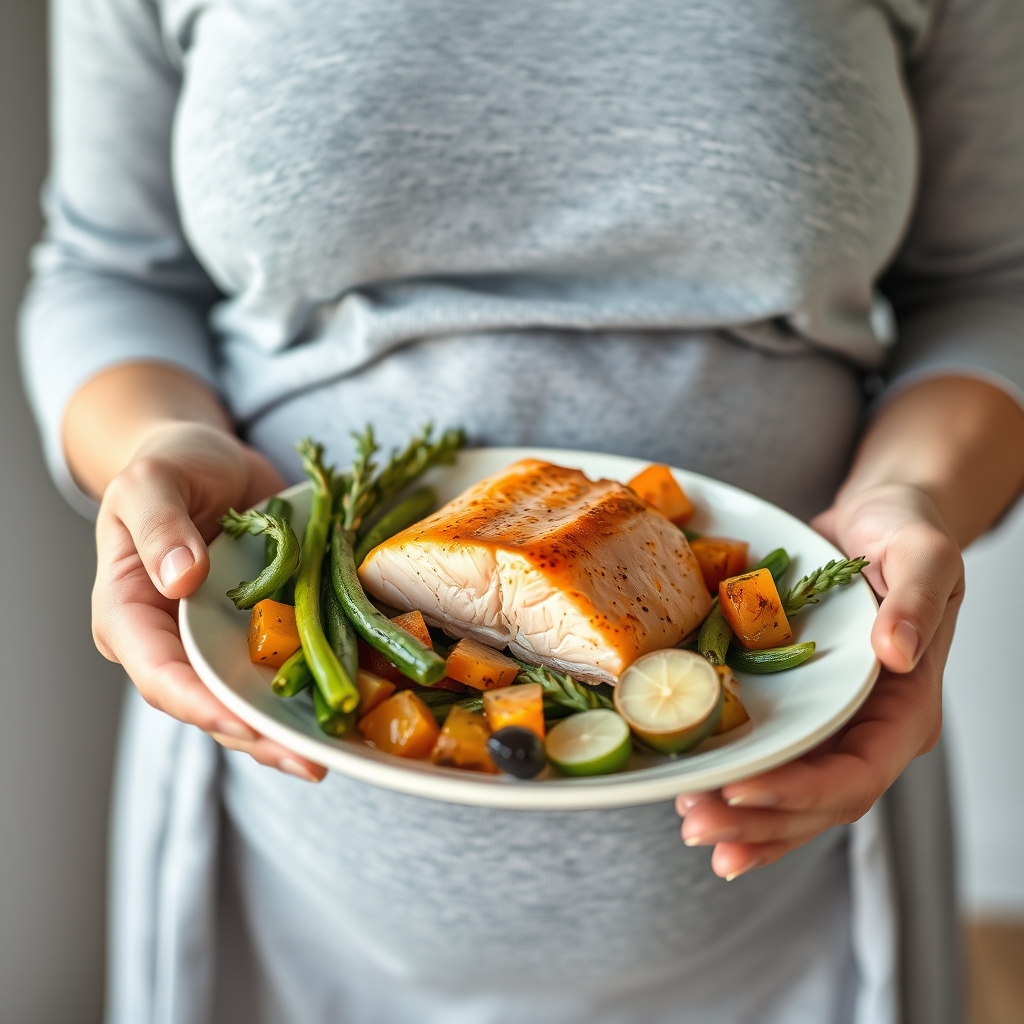
* Salmon: This is one of the richest sources of Omega-3 and DHA.
* Sardines: Sardines are another rich source of Omega-3 and DHA.
* Anchovies: Anchovies are a rich source of Omega-3 and DHA and have low levels of mercury.
* Trout: Trout is a rich source of Omega-3 and DHA.
* Leafy Greens: Some leafy greens like spinach, kale, and collard greens also contain small amounts of Omega-3 and DHA.
Precautions When Using Supplements
While supplements can help support fetal development, it is essential to exercise caution when using them. According to the Centers for Disease Control and Prevention (CDC), pregnant women should consult their healthcare provider before taking any supplements. Additionally, it is crucial to choose high-quality supplements from reputable manufacturers.
Foods to Avoid
During pregnancy, it is also essential to avoid certain foods that can harm the fetus, including:
* High-mercury fish: Fish with high levels of mercury like shark, swordfish, and king mackerel can harm the fetus.
* Undercooked food: Undercooked food like sushi, sashimi, and raw meat can contain bacteria and harm the fetus.
Conclusion
In conclusion, Omega-3 and DHA are essential nutrients for fetal development. There are several food sources rich in Omega-3 and DHA, including salmon, sardines, anchovies, trout, and leafy greens. However, it is crucial to exercise caution when using supplements and avoid certain foods that can harm the fetus. Pregnant women should consult their healthcare provider before taking any supplements and choose high-quality supplements from reputable manufacturers.
To learn more about pregnancy nutrition, you can visit our pregnancy meal planner or read more about related topics.
When to Consult a Healthcare Provider
If you have any questions about pregnancy nutrition or want to know more about Omega-3 and DHA supplements, you should consult your healthcare provider. They can help you make informed decisions about your diet and supplements.
Explore on Pregnancy Meal Planner
Use these Pregnancy Meal Planner pages next — each link goes to a different part of the site:
Frequently asked questions
- Why is DHA important for fetal development?
- DHA supports the development of the fetus's brain and nervous system, as well as their vision and immune system.
- What foods are rich in Omega-3 and DHA?
- Salmon, sardines, anchovies, trout, and leafy greens are all rich in Omega-3 and DHA.
- When should I consult my healthcare provider about Omega-3 and DHA supplements?
- You should consult your healthcare provider before taking any supplements, especially if you have any questions about your diet or supplements.
Meal planner
Get balanced pregnancy nutrition suggestions
Personalized Vietnamese meals with safety notes — free, no login.