Omega-3 and DHA in Pregnancy: Food Sources and Supplement Cautions
Why DHA matters for fetal development, low-mercury fish options, and when to ask a clinician about supplements
Keywords
Pregnancy Meal Planner Team · Pregnancy Meal Planner Nutrition Editorial (WHO/CDC/NHS/ACOG)
Introduction to Omega-3 and DHA
Omega-3 and DHA are two types of polyunsaturated fatty acids (PUFAs) that are essential for the health of both mother and fetus. DHA (Docosahexaenoic acid) is a type of omega-3 fatty acid that plays a crucial role in the development of the fetal brain and nervous system.
The Role of DHA in Pregnancy
DHA supports the development of the fetal brain, nervous system, and vision. Additionally, DHA may help reduce the risk of certain diseases, such as asthma, eczema, and behavioral problems in children.
Food Sources of Omega-3 and DHA
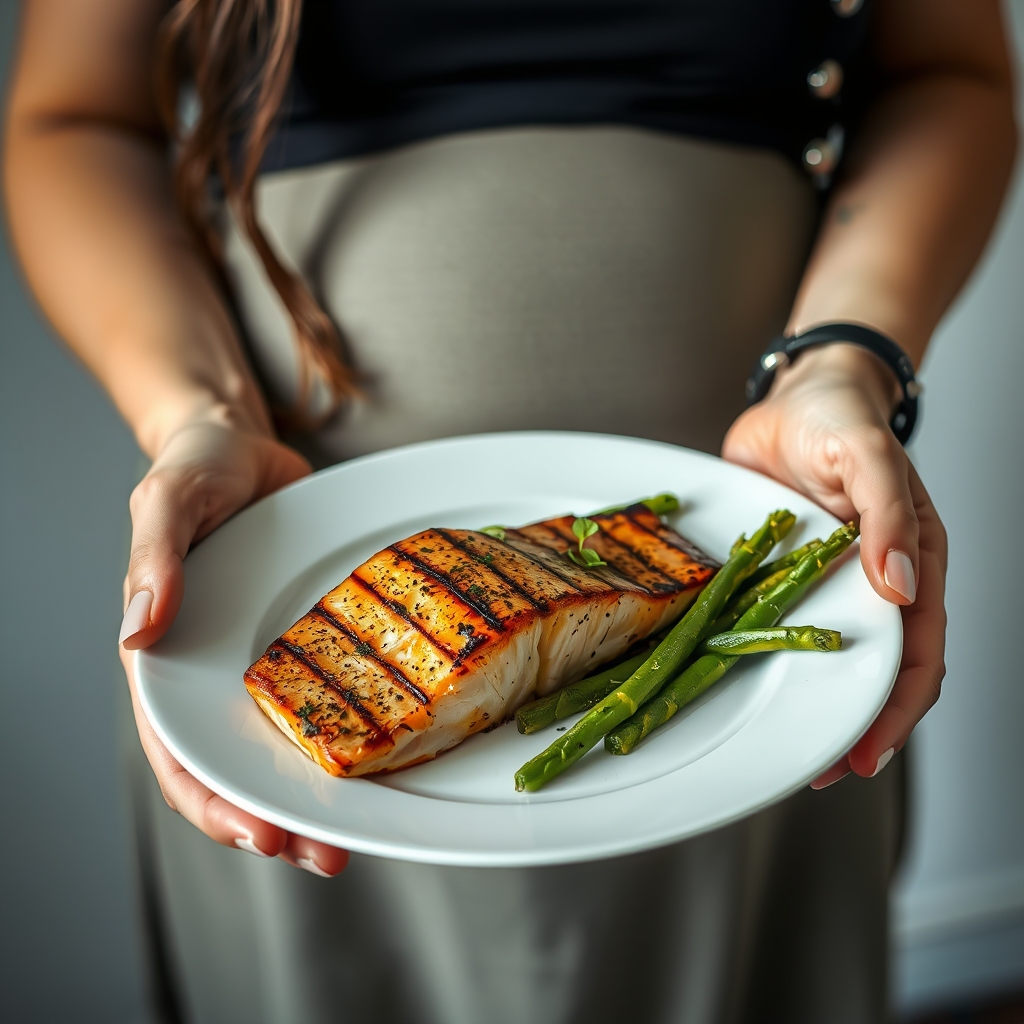
Food sources rich in omega-3 and DHA include:
- Salmon
- Sardines
- Anchovies
- Mackerel
- Caviar
- Seaweed
- Nuts like walnuts and chia seeds
Precautions when Consuming Fish
While fish is a rich source of omega-3 and DHA, pregnant women need to be cautious about consuming fish to avoid mercury contamination. According to the EPA/FDA, pregnant women should limit their consumption of high-mercury fish like shark, swordfish, and king mackerel. Instead, they can consume low-mercury fish like salmon, sardines, and anchovies.
Omega-3 and DHA Supplements
Pregnant women can supplement their diet with omega-3 and DHA through fish oil supplements. However, before taking any supplements, pregnant women should consult their healthcare provider to ensure that the supplement is safe and suitable for their individual health needs.
Conclusion
Omega-3 and DHA are essential fatty acids that play a crucial role in the health of both mother and fetus. Pregnant women can obtain these fatty acids through food sources or supplements. However, they need to be cautious about consuming fish and consult their healthcare provider before taking any supplements.
When to Consult a Healthcare Provider
Pregnant women should consult their healthcare provider before taking omega-3 and DHA supplements if:
- They have any underlying medical conditions
- They are taking any medications
- They have any allergies
For more information on pregnancy meal planning and prenatal nutrition, pregnant women can visit our website.
Explore on Pregnancy Meal Planner
Use these Pregnancy Meal Planner pages next — each link goes to a different part of the site:
- free 7-day pregnancy meal planner
- prenatal nutrition articles
- pregnancy nutrition blog
- Pregnancy Meal Planner Premium
Sources
- WHO: Nutrition counselling during pregnancy — https://www.who.int/tools/elena/interventions/nutrition-counselling-pregnancy
- EPA/FDA: EPA-FDA Advice about Eating Fish and Shellfish — https://www.epa.gov/fish-tech/epa-fda-advice-about-eating-fish-and-shellfish
- NHS: Foods to avoid in pregnancy — https://www.nhs.uk/pregnancy/keeping-well/foods-to-avoid/
Educational overview inspired by Pregnancy Meal Planner Editorial. Not a verbatim copy.
Frequently asked questions
- Why is DHA important during pregnancy?
- DHA supports the development of the fetal brain, nervous system, and vision
- What are some food sources rich in Omega-3 and DHA?
- Salmon, sardines, anchovies, mackerel, caviar, seaweed, and nuts like walnuts and chia seeds
- When should I consult my healthcare provider before taking Omega-3 and DHA supplements?
- You should consult your healthcare provider if you have any underlying medical conditions, are taking any medications, or have any allergies
Meal planner
Get balanced pregnancy nutrition suggestions
Personalized Vietnamese meals with safety notes — free, no login.